Yala National Park is Sri Lanka’s most famous and second-largest national park, boasting one of the highest densities of leopards in the world. Located on the southeast coast, Yala offers a captivating mix of monsoon forests, scrub jungle, grasslands, lagoons, and sandy beaches. It is truly the crown jewel of the island's wildlife circuit.
The Search for the Phantom: Sri Lankan Leopard
The main draw for many visitors is the chance to spot the February to July (Panthera pardus kotiya), a magnificent subspecies native only to this island. While sightings are never guaranteed in the wild, Yala's high concentration offers the best odds globally. Early morning and late afternoon safaris are peak times, as these cats prefer to hunt or bask on rocky outcrops when the heat is less intense. Our experienced guides know the leopard territories well, increasing your chances of a thrilling encounter.
Yala's Diverse Inhabitants
Yala is an absolute paradise for biodiversity. Beyond the star attraction, you are virtually guaranteed to see Asian Elephants, particularly near the reservoirs and waterholes. Keep an eye out for the elusive and shaggy Sri Lankan Sloth Bear, which is much harder to spot than the leopard! The park is also home to abundant species of deer, wild buffalo, monkeys, and mugger crocodiles often seen sunbathing near water bodies.
A Birdwatcher's Dream
The lagoons and marshes of Yala are essential breeding grounds for numerous bird species, making it a critical area for ornithologists. Over 215 bird species have been recorded here, including seven endemic species. Look for the colorful Indian peafowl, painted storks, and a variety of migratory waterfowl, especially during the northern winter. The contrast between the dry jungle and the vibrant coastal wetlands creates a unique and beautiful backdrop for photography.
Planning Your Safari Experience
The best time to visit Yala is generally during the dry season, from February to July, when water levels are low and animals congregate around the remaining water sources, making sightings easier. Safaris typically run in two sessions: 6:00 AM to 10:00 AM and 3:00 PM to 6:00 PM. We strongly recommend booking a full-day safari for the most immersive experience, or at least the early morning slot for the best wildlife activity. Remember that only certain zones (Zone I, Ruhuna National Park) are open to the public to minimize impact on the wildlife.
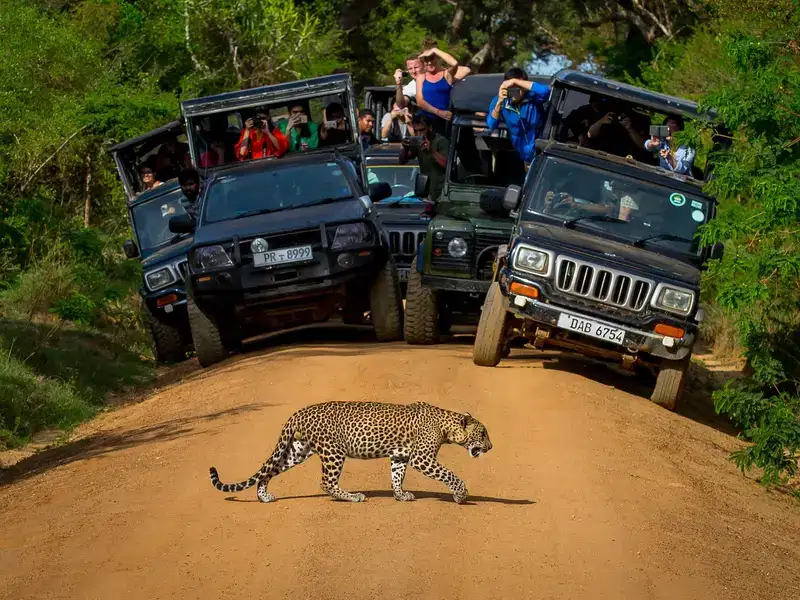
Safari jeeps are the standard mode of transport, offering excellent visibility.